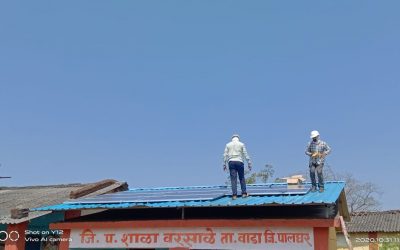
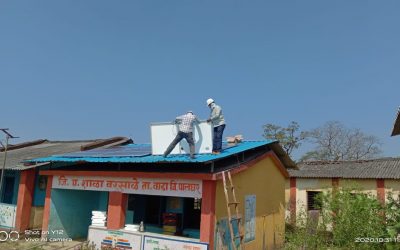
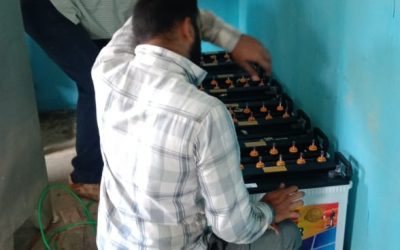
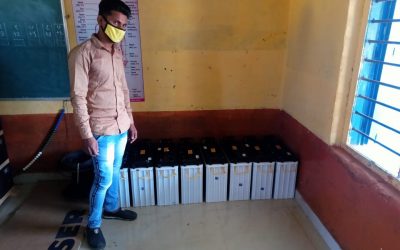
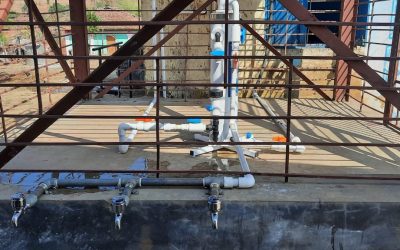
Varsale village is located in Vada Tehsil of Palghar district in Maharashtra, India. Varsale village is also a Gram Panchayatand the total geographical area of the village is 1439 hectares. The communities living in Varsale and its Padas, without exception belong to the Warli community of Scheduled Tribe as registered by the govt. depts. Almost 98% of the population in Varsale village and its Padas belonged to the BPL category as marked by the government departments. The residents have for generations been farm labourers during the paddy rice cultivation in monsoon season, and farmland owners across the sub-district and neighbouring ones have hired men and women from this village for sowing and reaping of the paddy crop. Only in recent times, in the past 10 years, native families in Varsale have been awarded plots of forest land for farming their own crop, and to support their families through the year. With this change, most families with their forest land plots, grow their paddy crop but do not have electricity or water to do cultivation all over the year. There are about 650 houses in Varsale village and its Padas. With limited access to electricity, their homes, school and streets lie in darkness, while lack of access to pure drinking water makes for dismal health conditions. On conducting a need analysis we defined 5 particular hamlets with 199 households that are all in the BPL category, living in complete darkness