Transform a Village

Morhanda, Palghar

Households: 143
People: 649

Intervention

Integrated Village Development

Group 6
Lives Impacted
0
People Icon
Homes Illuminated
0

Intervention

Integrated Village Development

Leader
Lives Impacted
0
eco-bulb
Homes Illuminated
0

Donor

Sandvik Materials Technology India Pvt. Ltd.& Yang Ming Line (India) Pvt. Ltd.

Grassroot Partner

Morhanda

Assessment

Mokhada, which has the largest population of tribes in the Palghar District, has extremely poor status in terms of health, education, connectivity and agricultural productivity. The total population of Mokhada is 83,453 and is spread across 59 revenue villages and 27 Gram Panchayats (GP); 90.56% of this population is tribal and 66% of this is Below Poverty Line (BPL). The overall rate of literacy in Mokhada is 51.53%, as against 80.66% of the district thus displaying a comparatively poor educational status in the tehsil. Of the 9732 tribal children enrolled in schools at the primary level as against 205937 tribal children in the district, only 223 reached the higher secondary level. This amounts to a dropout rate of 97%. According to the ICDS Department of Mokhada in March 2016, out of 11,347 children, 7574 children fell in different grades of malnourishment i.e., 67% of children (below 6 years) were malnourished.

Intervention

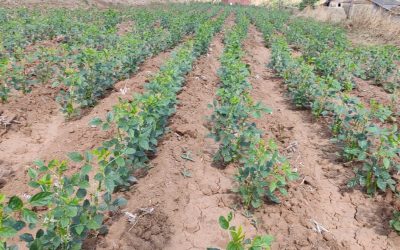
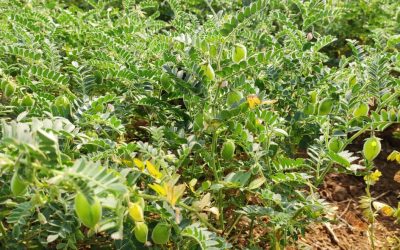
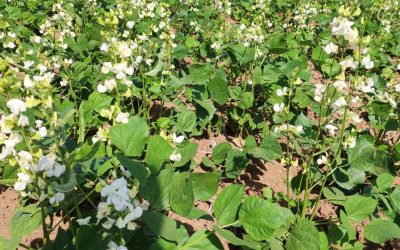
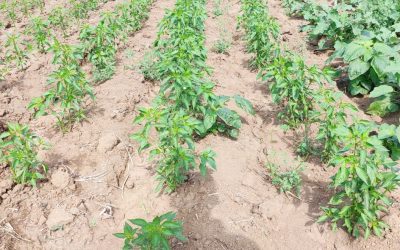
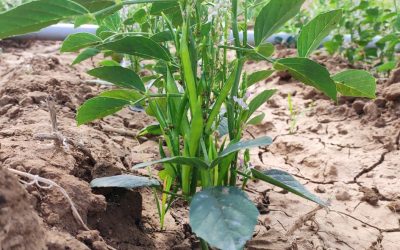
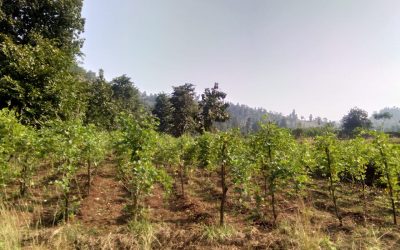
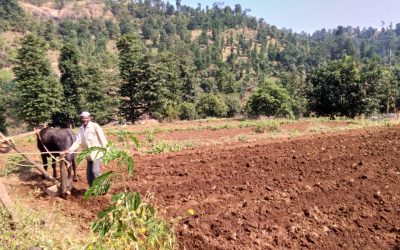
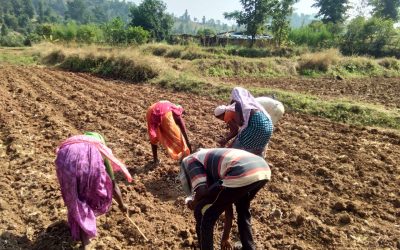
Morhanda village belongs to the Morhanda Grampanchayat in the Mokhada block of Maharashtra. This village has limited access to the electricity grid, with extensive load shedding, but face a greater evil of conventional electricity for them, lack of affordability, These villagers have little to no income prospect. With great agricultural potential, the farmers in these villages migrate inspite of significant owned-land due to the lack of water for irrigation. Reliant on the erratic Monsoon, they move to nearby cities or brick kilns in the month of October, returning only in the May of next year, in time for cropping. With no sustainable and continuous income, they often mortgage their home and land, pull their children out of school, and live in the ugly pit of hunger and poverty. To know more about this project and the potential for intervention, please contact us for a proposal.
Impact

The solar lights provided yield zero carbon emission as compared to the kerosene lights thereby benefiting the environment and overall health of the villagers. The solar lights provided enable women to perform daily chores post sunset and gives children the opportunity to study after it gets dark. Farmers are able to survey their field at night with the help of the portable lantern thereby preventing economic damage to their crops by cattle intrusion. Expenditure on kerosene is no more there, leading to savings of almost 200-300 rupees per month. Villagers don’t need to spend time and money going to distant places to charge their phones anymore. Social interaction post sunset has also increased because of the street lights thereby encouraging social and community gatherings. Lastly, the number of productive hours have increased by means of which villagers are now involved in a number of income generating activities post sunset.
To know more about this project and the potential for intervention, please contact us for a proposal.
Countries
Search
Expand the search area up to