No Child Should Have to Study by Firelight in 2026
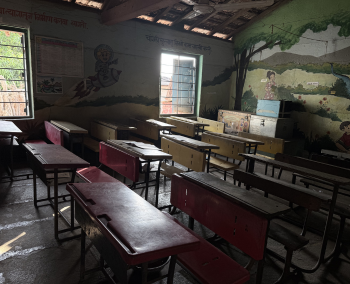
Imagine packing up your entire day the moment the sun goes down. No studying after school. No evening farming chores. No late-night meals, work, or even conversations outdoors. Just silence. Just darkness.
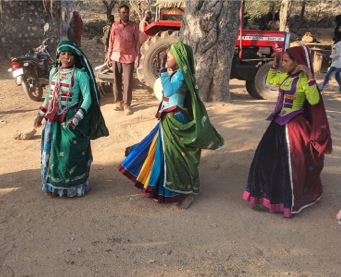
For millions living in villages without electricity in India, this is not an exaggeration. It’s everyday life. While urban homes argue about rising power bills or which appliances consume the most energy, there are rural families who still decide their routines based on the rising and setting of the sun.
This gap between possibility and limitation explains the true face of energy poverty in India.
The Reality of Life After Sunset in Rural India
When the sun sets in rural communities, life changes instantly. Something as simple as switching on a light becomes a privilege that many do not have.
Here is what life after sunset in rural India looks like:
- Children end their homework early because the only source of light is a weak kerosene lamp that stings their eyes.
- Women cook and clean in near-darkness, risking burns and injuries.
- Farmers cannot sort produce, repair tools, or plan the next day’s work.
- Shopkeepers shut earlier, losing evening customers who rely on moonlight to return home.
- Streets turn unsafe, especially for women and children.
Darkness forces people to shrink their lives. It reduces time, productivity, safety, and choices. Imagine how different your life would be if your day simply stopped after 6:30 PM. That is the reality for countless families even today.
Challenges of Living Without Electricity
Electricity isn’t just convenience. In rural contexts, it shapes dignity, opportunity, and survival.
Here are the everyday challenges of living without electricity that often go unnoticed:
- Education Suffers
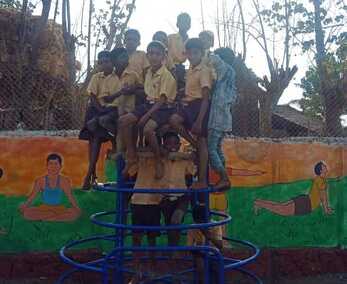
Children lose precious learning time. Even motivated students cannot push beyond sunset because the lighting alternatives are harmful or unreliable. This directly impacts performance, confidence, and long-term aspirations.
- Healthcare Becomes Risky
Local health centres struggle after dark. Deliveries, emergencies, and first aid all depend on whatever limited light is available. Lack of electricity can literally cost lives.
- Safety Concerns Increase
Dark streets make mobility dangerous. Women particularly face restricted freedom of movement. In many villages, families don’t step out after sunset unless absolutely necessary.
- Productivity Drops
Artisans, farmers, and micro-entrepreneurs lose hours of income-generating activity. What could have been a chance to grow becomes an everyday compromise.
- Household Work Gets Harder
Cooking, cleaning, storing food, everything becomes slow, uncomfortable, and unsafe. Darkness changes how families function.
When electricity is missing, entire communities are forced to live in a narrower version of life.
Energy Poverty in India: The Silent Barrier to Growth
We often talk about economic inequalities, but energy poverty in India is just as significant. Without reliable power, nothing else can advance; education, livelihoods, digital access, and healthcare all hit a wall.
And while India has made impressive progress in electrification programs, reliability remains a huge concern. Many households are technically “electrified” but receive power only a few hours a day, often fluctuating or failing when needed most.
The numbers may show progress, but lived reality tells another story.
This is why conversations around India’s electricity access in 2025 need to look beyond connections on paper and focus on usable, consistent, sustainable power.
Why Electrification in Indian Villages Still Needs Attention
The assumption is often: “But aren’t all villages electrified now?”
Yes, the grid has reached the vast majority of rural India. But availability isn’t the same as reliability.
True electrification in Indian villages must solve for:
- Hours of actual supply
- Quality of voltage
- Affordability
- Safety
- Last-mile access
- Sustainability
And this is where solar-based models make a meaningful difference. Clean energy bypasses unreliable grids and puts control directly in the hands of rural families.
Solar lighting, study lamps, and community systems offer:
- Predictable availability
- No fuel costs
- Minimal maintenance
- Zero pollution
- Long-term reliability
It ensures that electrification is not just a government milestone, but a lived reality.
Impact of Electricity on Daily Life: What Changes When Light Comes In
When rural homes finally receive dependable electricity—whether through the grid or sustainable solutions, the transformation is immediate and powerful.
Here’s what improves almost overnight:
- Children Study More and Perform Better
Even one additional hour of evening study can change academic outcomes dramatically.
- Women Gain Time and Freedom
They can finish chores safer and faster, engage in income-earning tasks, or simply rest.
- Local Economies Strengthen
Shops, dairy farmers, artisans, tailors, everyone gets more workable hours.
- Healthcare Becomes Safer
Lights in clinics reduce risks during emergencies and enhance service at night.
- Families Feel Safer
Well-lit surroundings reduce accidents and improve mobility after sunset.
- Youth Stay Back Instead of Migrating
Better access to electricity supports digital education and entrepreneurship, encouraging young people to build futures in their own villages.
Electricity is not just a utility, it is a starting point for progress.
Darkness After Sunset: A Cycle We Cannot Ignore
For families living in darkness after sunset in rural areas, life is shaped by constraints they didn’t choose. Their dreams are not smaller; their opportunities are. And unlike urban problems, these challenges don’t need complex solutions. They need attention. They need urgency. They need light.
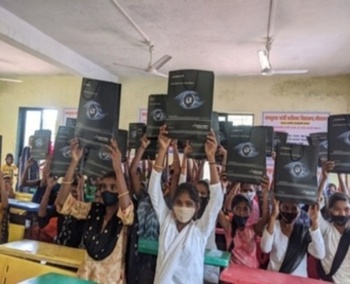
This is exactly where organisations like Project Chirag focus their efforts, providing solar power projects that give families control over their evenings, education, livelihood, and safety.
In communities that receive these solutions, the shift is not subtle. It is visible. It is emotional. It is empowering.
The Path Toward a Brighter Rural India
For India to grow in a balanced and meaningful way, rural communities must have the same basic opportunities that urban families often take for granted. A nation aiming for digital expansion, economic leadership, and social progress cannot afford to leave millions dependent on daylight for even the simplest tasks. Access to reliable light shapes education, mobility, healthcare, productivity, and overall confidence, core elements that determine whether a community can move forward or remain stuck in cycles of limitation.
This is where sustainable electrification becomes more than an infrastructure need; it becomes a foundation for dignity and aspiration. When families receive dependable lighting, their evenings open up. Children gain uninterrupted study hours, women feel safer moving around their homes and communities, and local entrepreneurs can extend their workday without risk. The shift is practical, not symbolic, and it affects every part of daily life.
Organisations like Project Chirag help accelerate this change by providing solar-powered solutions that are affordable, durable, and designed for remote settings. These interventions don’t just fill a gap; they empower families to reclaim time, productivity, and a sense of security after sunset. For anyone looking to support rural development in a tangible, high-impact way, enabling access to reliable clean energy is one of the most direct paths to long-term change.
India’s development story will be stronger when rural homes no longer depend solely on daylight to function. Lighting a village is ultimately about unlocking human potential and ensuring every community has a fair chance to participate in the nation’s future.