

Modha

March 2021

Households: 269
People: 1350

Intervention

Home and Street Lighting
Leader
Lives Impacted
0
eco-bulb
Homes Illuminated
0

Donor

Sandvik Materials Technology India Pvt. Ltd.& Yang Ming Line (India) Pvt. Ltd.

Grassroot Partner

Sarjan Foundation & Lokniketan

Assessment

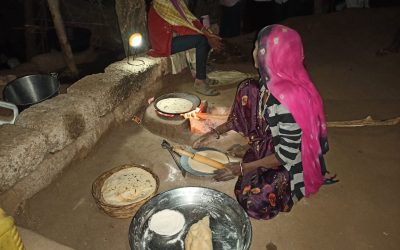
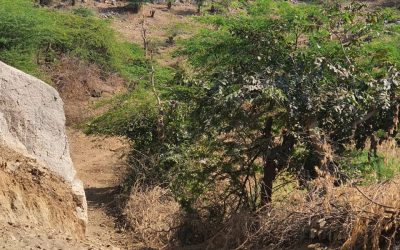
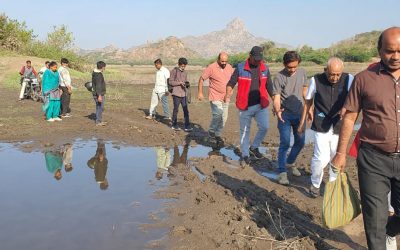
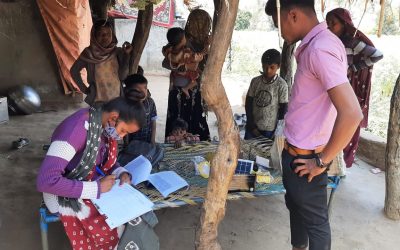
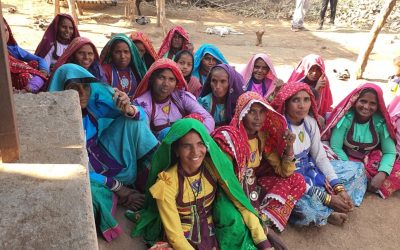
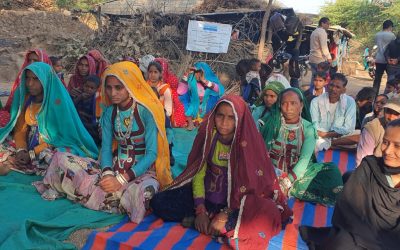
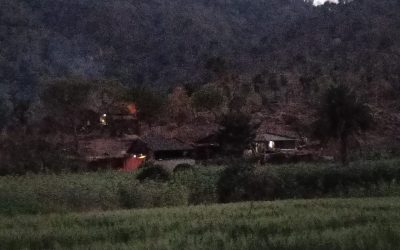
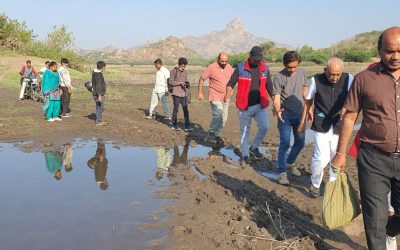
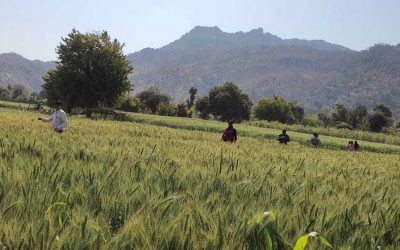
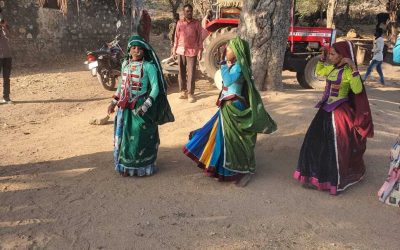
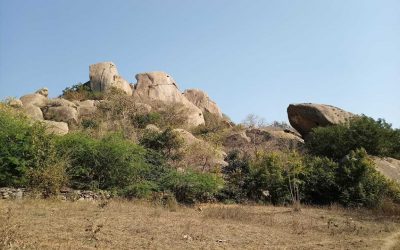
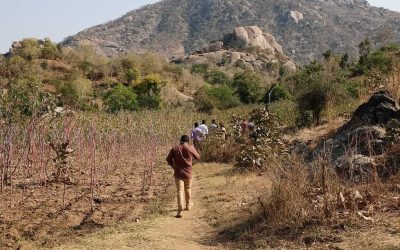
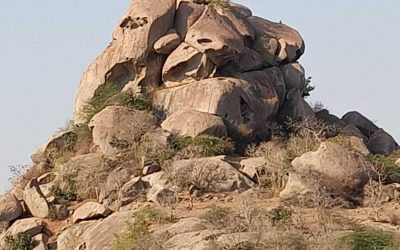
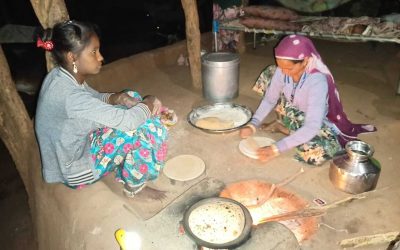
Modha and Chulipani are remote villages deep within rural Gujarat, inaccessible by motorable road, they are 4-7 Kms walking from the nearest village. In monsoon the village is virtually inaccessible because of water flowing in the river. One has to walk 4 kms on foot from Virampur to reach there. With an entirely tribal population, the villagers are living there in scattered huts. Modha did not have electricity or water supply lines. The families have to fetch drinking water from nearby wells. For emergency medical services and child delivery, people carry the ailing on a cot or in cloth Doli (stretcher) on foot to Virampur. For primary education, the children attend Ashramshalas. Those who do not get enrolled there, have to commute on foot to Virampur. Most girls end up with only primary education and the school’s dropout ratio is quite high. The villagers engage in farming, animal husbandry, collecting firewood and forest products, or working as daily wagers for a livelihood. Villagers used kerosene lamps and dry cell batteries for lighting at night time. Chulipani is not reflected in the Revenue Records of the state, and would be considered a ghost village by the government.

Intervention

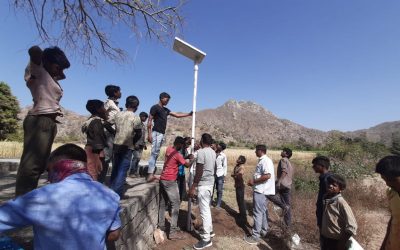
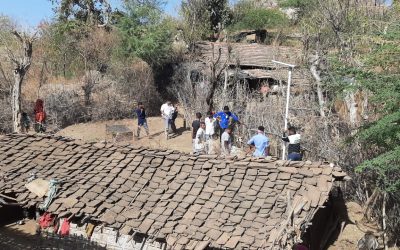
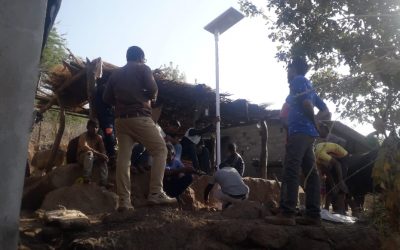
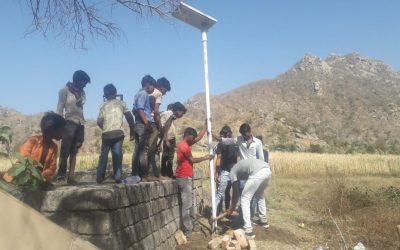
Every rural household in India has an average of 5-7 family members. There are several out-of-home activities like catering to sanitation requirements, collection of water early in the morning or late evening, surveying agricultural fields after dark or reaching out to medical facilities in case of health emergencies. In order to carry out these activities, members of the home carry a light along with them. If a single solar light is provided to each house, the house tends to return to a state of darkness the moment a member steps out for any one of these activities, and therefore we would like to consider solar electrification for homes and the village from a holistic perspective. After understanding the community needs and adopting a qualitative approach, we proposed providing strategically placed streetlights and the 40Z Home lighting solution – a solar panel powering two solar lights in the home along with a mobile charging port, and a portable lamp for indoor and outdoor use as well. Strategically placed street lights lit up a once ghost town. Recently, the villagers were also provided with ration support during the pandemic.

Impact

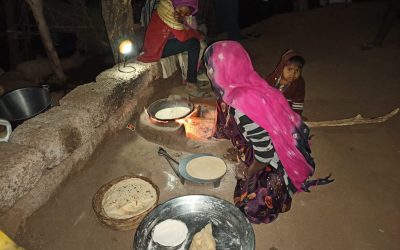
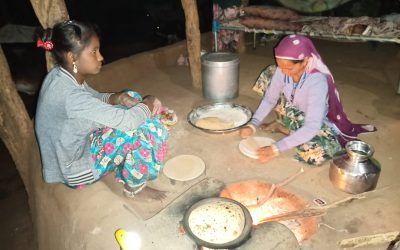
The solar lights provided yield zero carbon emission as compared to the kerosene lights thereby benefiting the environment and overall health of the villagers. The solar lights provided enable women to perform daily chores post sunset and gives children the opportunity to study after it gets dark. Farmers are able to survey their field at night with the help of the portable lantern thereby preventing economic damage to their crops by cattle intrusion. Expenditure on kerosene is no more there, leading to savings of almost 200-300 rupees per month. Villagers don’t need to spend time and money going to distant places to charge their phones anymore. Social interaction post sunset has also increased because of the street lights thereby encouraging social and community gatherings. Lastly, the number of productive hours have increased by means of which villagers are now involved in a number of income generating activities post sunset.

Countries
Search
Expand the search area up to