Jogulwadi
February 2021
Palghar
Households: 103
People: 733


Intervention
Integrated Village Development
Lives Impacted
0
Homes Illuminated
0
Donor
Rotary Club of Bombay and Frashogar Charities
Grassroot Partner
Diganta Swaraj Foundation
Assessment
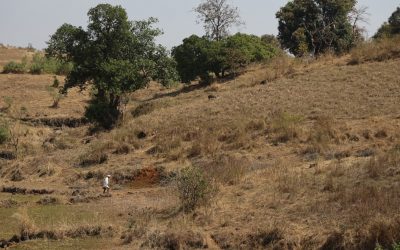
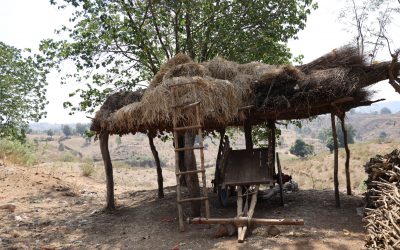
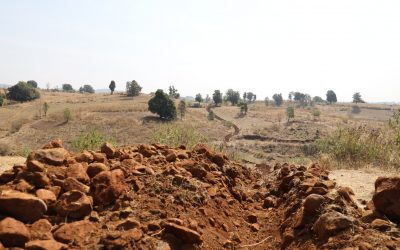
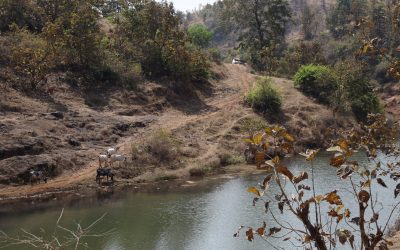
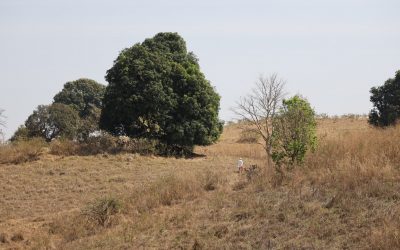
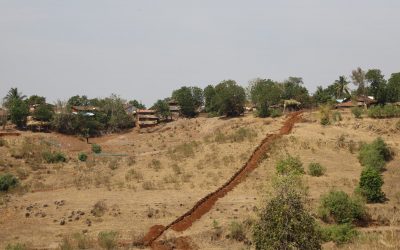
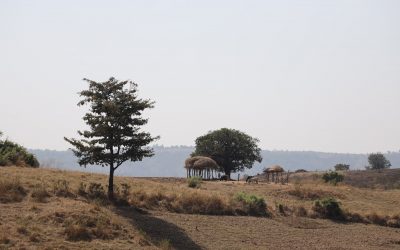
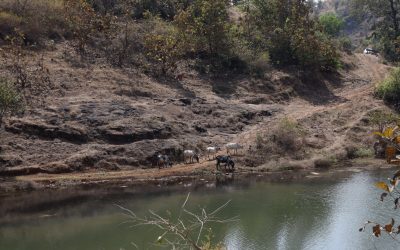
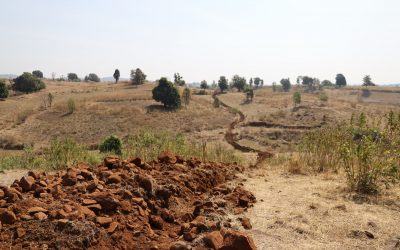
Jogulwadi, a rural community relying on unpredictable agricultural revenue, has weak power infrastructure in houses and schools, as well as poor health indicators due to a lack of nourishment and safe drinking water. While it was an electrified village, it experienced load shedding for a significant part of the day and had no electricity at all in the monsoon season. Sharing the River Gargai as a water source with the cattle, the village women would undertake a long, treacherous and steep climb down to the river, balancing the limited pots they could on the return. Significantly agricultural, the village relied heavily on monsoon cropping with no income to speak off in the village year round, leading to large numbers of migration.
Intervention
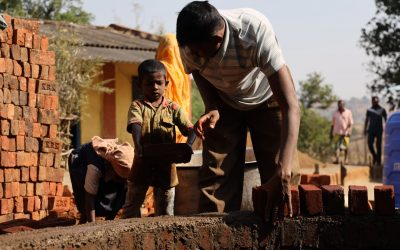
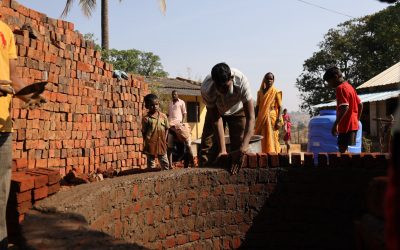
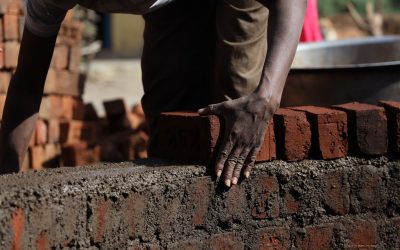
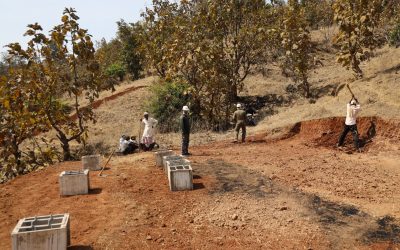
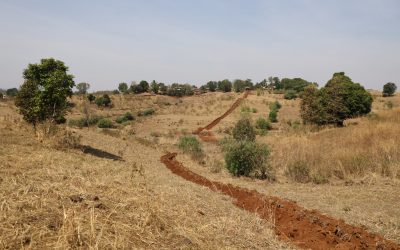
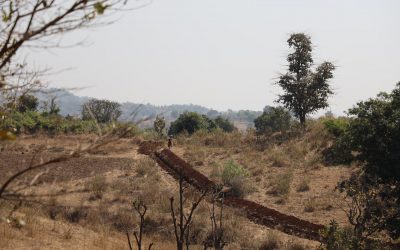
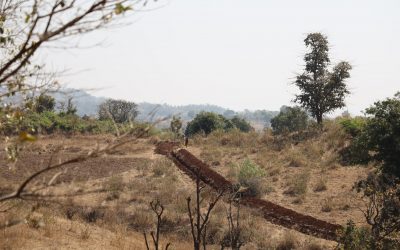
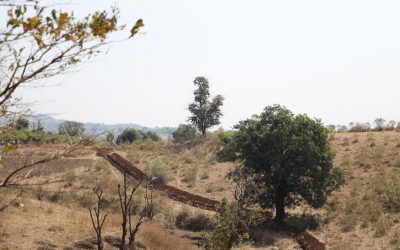
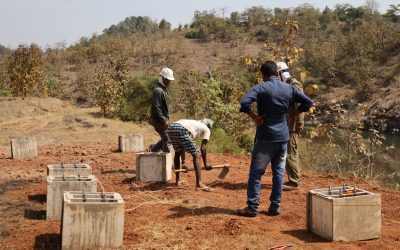
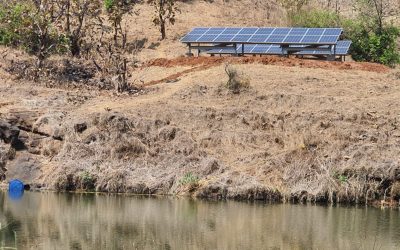
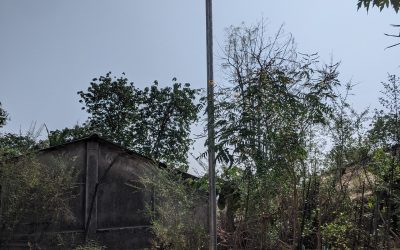
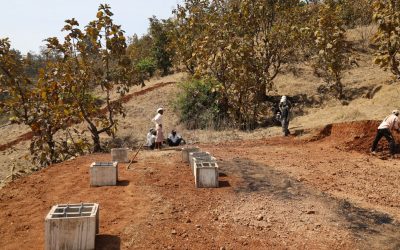
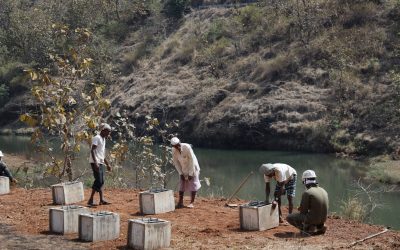
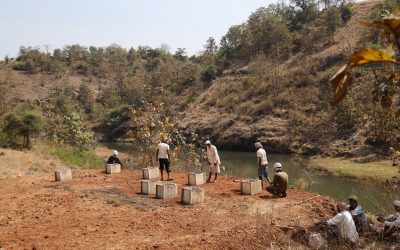
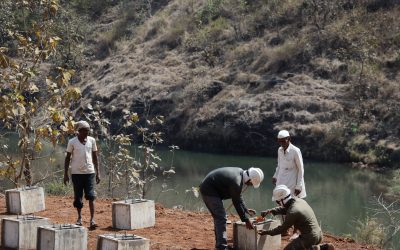
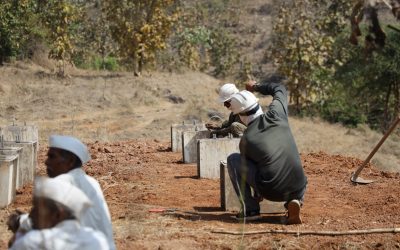
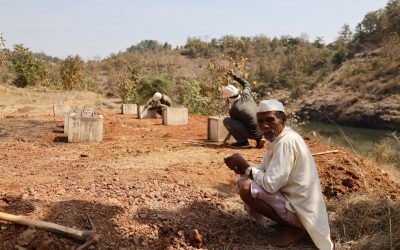
As part of our integrated village development model, all homes, streets and the Zilla Parishad School received electrification. All homes received 2 bulbs, a mobile charging port and a portable lantern. The ZP School was provided with 2 lights and a ceiling fan as well as a projector and e-learning curriculum. In addition to this, a solar powered lift irrigation was installed to pull water for drinking and other purposes from the river Gargai. An ultrafiltration unit was also installed in the village with convenient tap outlets for daily use. Four sensor based street lights were installed at strategic locations to allow for social security. for better engaged learning and reduced dropout rates. 4 Houds have been constructed, and water will be drawn into these concrete tanks for domestic use. To close the resource cycle and create food security, soak pits have been built for Kitchen Gardens. Additionally, 2 toilets were built for the villagers and the existing toilets were made accessible to water thereby ensuring they come into use.
Impact
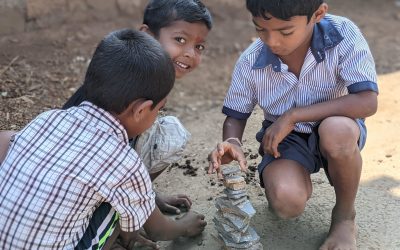
These villages will have access to light and water with zero carbon emissions, avoiding any negative environmental and health effects from the usage of kerosene. The house lighting system allowed women to finish their duties after sunset, children to study for longer periods of time, and farmers to work longer hours in the field, resulting in increased output. The street lights allow for more social interaction, community building and fearfree use of sanitation facilities. The ZP School now provides a more comfortable environment for students and a more interactive and engaged teaching model because of the projector provided and e-learning curriculum made available. Villagers save time, energy, and health by having easy access to water. Waterborne infections can be avoided by consuming clean, pure water. KItchen gardens will mean better nutrition, thereby improving overall health.