How Every Solar Lamp Installed is Lighting The Way For Nature, A World Nature Conservation Day Reflection
It’s convenient to think of nature conservation as something that happens far away, maybe in deep forests or protected coastlines. But that’s hardly the case. In fact, the most meaningful environmental change begins much closer to home when an individual or a community decides to act.
For us at Project Chirag, World Nature Conservation Day is another reminder that real environmental action often starts with simple, local shifts. We’ve firmly believed that lighting a home can also light the way forward for the planet and have acted accordingly. With every solar panel installed and every lantern distributed, we’re choosing sustainability and resilience.
Let’s explore how solar lamps are lighting up Indian villages while also protecting the land, water, and air they depend on.
Lighting Villages Sustainably
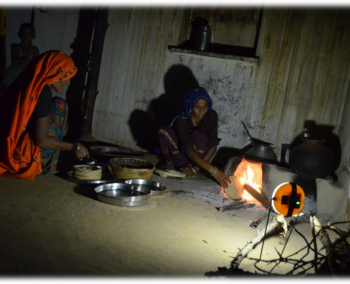
When most of India lights up, grid electricity remains either unreliable or unaffordable for many rural areas. Something as basic as a light switch seems like a luxury. As a result, millions of families had to use kerosene lamps and firewood, or choose complete darkness after sunset. These choices are also not easy. They come with their share of environmental impact: air pollution, deforestation, and greenhouse gas emissions, to name a few.
That’s where Project Chirag’s solar power projects step in.
By introducing solar-powered bulbs, lanterns, and streetlights, we’ve brought safe, clean, and consistent light to over 2,180 homes across 68 villages in a single year. This has reduced reliance on fossil fuels and cut down household emissions.
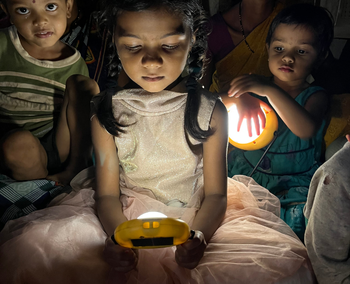
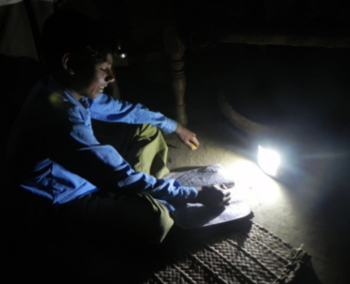
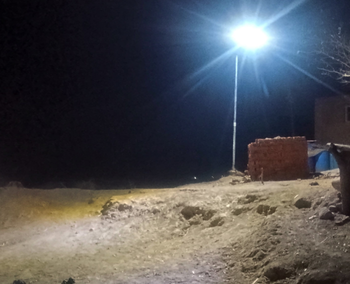
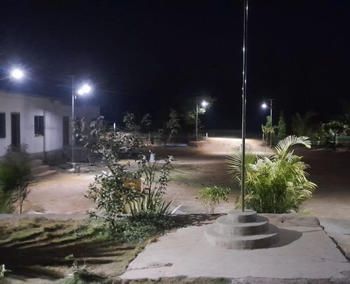
Thanks to solar streetlights, village streets have become safer at night. It has allowed for easy movement while using zero electricity from the grid. Homes are now well lit with solar bulbs, have charging ports, and lanterns. All this has resulted in enabling children to study and families to spend evenings together.
This is what lighting villages sustainably truly looks like.
How Solar Lamps Are Lighting Up Indian Villages and Helping Conserve Nature?
Solar lighting has become a powerful agent of climate action. A kerosene lamp directly reduces carbon emissions, indoor air pollution, and pressure on local forests. According to Project Chirag’s impact data, over 800 metric tonnes of CO₂ emissions were neutralized through these efforts. This is a testament to how solar lamps are lighting up Indian villages.
- Cleaner air indoors: Families no longer inhale toxic kerosene smoke. This has improved respiratory health, especially for women and children.
- No firewood needed: Forests are spared from overharvesting, maintaining biodiversity, and preventing soil erosion.
- Zero-emission light: Solar panels harness renewable energy, making every watt eco-friendly and guilt-free.
The Benefits of Solar Lighting
A solar-powered village is healthier, safer, more educated, and more self-reliant. And each of these improvements supports environmental resilience.
Education and Empowerment
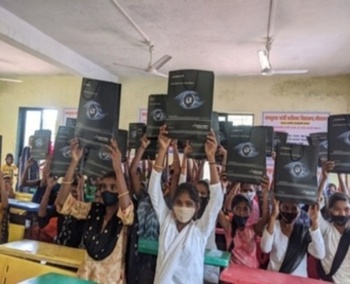
Children now study under solar lights after dusk, improving school retention rates and learning outcomes. In 2020-21 alone, 13 schools were powered by solar energy under Project Chirag’s school electrification program. A classroom that isn’t drenched in darkness becomes a catalyst for equal opportunity and a generation that understands sustainability better.
Water Conservation Through Solar
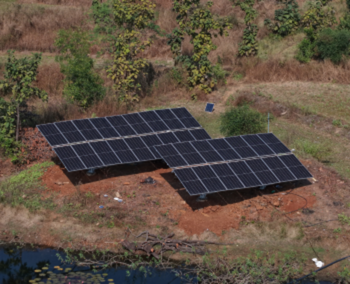
In Mokhada, solar mini-grids now power 3 water pumps that bring safe, filtered water to homes and farms. This has improved water access for irrigation, reduced groundwater exploitation, and even enabled the creation of kitchen gardens, reviving traditional farming in eco-conscious ways.
Villagers like Soni Ramu Darden now grow vegetables using this water, feeding their families fresh brinjal every few days. Others like Shanta Bhoye have started selling Rajgira and Methi in nearby towns, creating green income streams powered entirely by the sun.
Reduced Migration and Land Restoration
With agriculture revived through solar irrigation, families are staying in their villages, tending to their land, and restoring rural ecosystems. Previously barren patches are now cultivated fields. In total, 300 acres of land have been brought into cultivation with support from solar-driven water systems.
This is nature conservation at its finest, empowering people to stay rooted, farm sustainably, and live in balance with their surroundings.

Green Energy for Rural Communities: A Conservation Model
At the very core of Project Chirag’s work is the idea of making green energy for rural communities accessible and empowering. The goal is to create self-sustaining ecosystems.
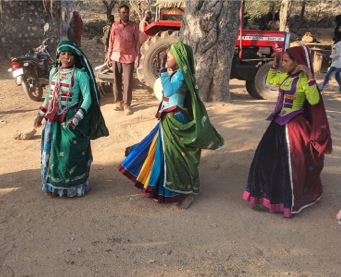
What stands out for this model is the fact that it’s deeply rooted in the community. Villagers donate land for solar panels (bhudaan), contribute labour (shramdaan), and form local groups to manage and maintain the systems. This participatory model ensures that every solar intervention is owned and preserved by the very people it serves.
From reducing migration to restoring water access and even growing vegetables in home gardens, the ripple effects touch every part of village life.
This World Nature Conservation Day, Let’s Redefine What Conservation Means
True conservation begins with the choices we make every day. Sometimes, it’s the quiet shift from kerosene to solar. This matters even more in areas with limited resources.
Project Chirag is proving that community-led sustainability is thriving. With every project, we take one more step toward a future where rural development and environmental conservation go hand in hand.
This World Nature Conservation Day, we’re celebrating the quiet villages where sustainability is being practiced, lived, and passed on. Villages where light is visionary.
So today, as we honour nature and commit to its protection, donate for solar panel project and do your bit.