
Haite Memorial School
August 2022
Assam
Households: 350
People: 1500

Intervention
School Electrification Program

Lives Impacted
0

Homes Illuminated
0
Donor
Yang Ming Line
Grassroot Partner
Diganta Swaraj Foundation
Assessment
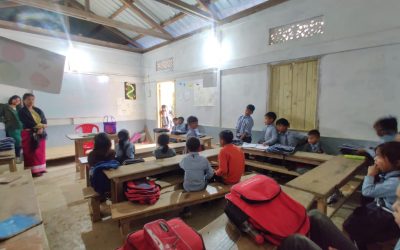
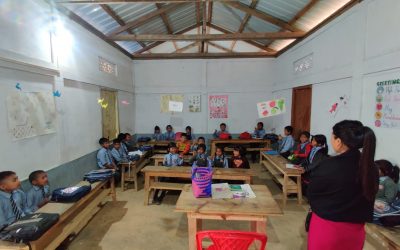
Haite Memorial School, located in the remote region of Mualdam in Assam, faces significant challenges that severely impact education and student well-being. The school’s remote location, accessible only via a grueling 7-hour drive on a non-motorable road from Haflong, complicates transportation and logistics. During the monsoon season, the area becomes entirely inaccessible, further isolating the school. Serving 201 children from 10 surrounding villages, some of which are as far as 10-15 km away, the school contends with a lack of sustainable power sources, leading to frequent power cuts that disrupt classes. The distance and travel time also mean that some children stay overnight at the school, straining limited resources and creating additional safety concerns. The lack of electricity contributes to dark classrooms, making learning and teaching challenging, while the isolation makes it difficult to obtain supplies and other necessary support. These compounding factors create a challenging environment, emphasizing the need for sustainable solutions to support the education and well-being of the school’s students and staff
Intervention
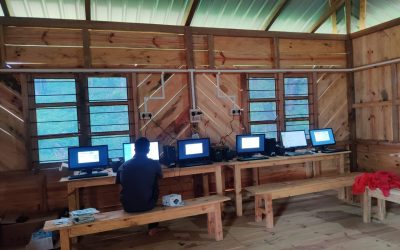
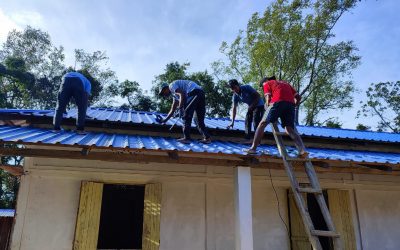
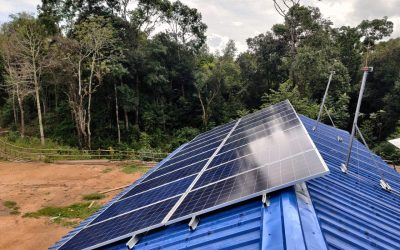
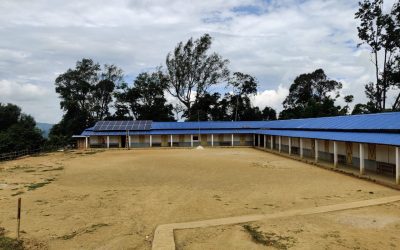
A Solar Hybrid System with a 5KW Inverter has been installed in Haite Memorial School in Mualdam. This setup uses solar panels to generate electricity and batteries to store it, ensuring the school has a reliable power source. Even during power outages or when monsoon rains cut off access, the school can stay lit and operational. The new system powers classrooms, lights, and basic equipment, allowing students to learn without interruption. It also supports children who stay overnight due to long travel distances. This simple, effective solution makes a big difference for the 201 students and creates a more sustainable environment for learning.
Impact
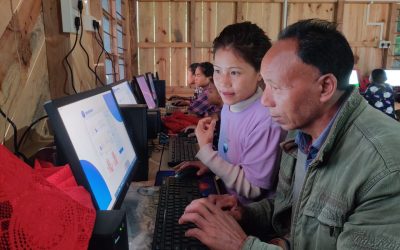
The consistent power at Haite Memorial School in Mualdam yielded a range of positive outcomes. By utilizing renewable energy, the school contributed to carbon neutralization, providing a sustainable model for the community. The stable power source improved student productivity by ensuring uninterrupted learning, leading to better outcomes for students and teachers. The consistent electricity increased school attendance and reduced the dropout rate, resulting in higher enrollment. With a dependable power supply, students had more opportunities to access digital resources, boosting digital literacy and creating a path for further education. This helped bridge the educational gap between rural and urban areas, reducing social disparity. During the monsoon season, when the village often lost power, the school became a crucial resource for the community, allowing villagers to charge their phones and other devices. This not only reinforced the school’s role as a community hub but also enhanced communication and safety during challenging times. Overall, these impacts contributed to a more equitable and sustainable learning environment for both the students and the wider community


