Feeding the Caregiver: Why Maternal Nutrition Is a Silent Emergency
Picture a scene you may have witnessed a dozen times. A mother is serving dinner. She moves around the room, making sure her children, her husband, and the elders all have a full plate. Only when she’s certain everyone else is cared for does she finally sit down, often with whatever is left over. We call this love. We call it sacrifice. But what if it’s also the first sign of a quiet, unfolding crisis?
This is what the silent reality of the maternal nutrition crisis looks like in India. We pour all our energy into our children’s health, and that’s a good thing! But in doing so, we often forget the very person who brings them into this world. We have to ask ourselves: who is feeding the caregiver?
With Poshan Maah 2025 coming up this September, it’s the perfect time to pull this conversation out of the shadows. Looking after maternal health and nutrition isn’t just about one woman’s health. It’s about breaking a cycle that affects us all.
The Vicious Cycle of the Maternal Nutrition Crisis
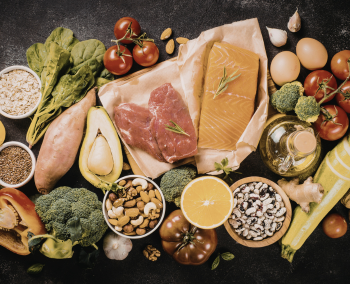
When we talk about the maternal nutrition crisis, we’re not just talking about an empty stomach. It’s something much quieter and important. It’s the hidden hunger for nutrients that don’t always show up on the plate.
It’s that exhaustion a new mother feels, not just from sleepless nights, but from a body running low on iron. It’s the ache in her bones because she’s short on calcium. This isn’t just about feeling tired or weak. This neglect has a ripple effect that can echo for generations.
- For the Mother Herself: Poor nutrition puts her at greater risk during pregnancy and makes her recovery after childbirth so much harder. Her body is depleted, her immunity is low. How can we expect her to pour from an empty cup?
- For Her Child: This is where the story gets even more serious. An undernourished mother often gives birth to a baby with a low birth weight. That child begins life already on the back foot, more vulnerable to stunting, learning difficulties, and poor health down the road. And just like that, the cycle of malnutrition is ready to repeat itself.
More Than a Meal: The Foundational Importance of Maternal Nutrition
Breaking this cycle often starts with a women’s empowerment program that’s based on the truth: a healthy, nourished mother is the foundation of everything. The importance of maternal nutrition is something we can no longer afford to ignore.
When a mother is well-fed and has energy, the whole family feels it. She can better care for her children, contribute to the household, and be an active part of her community. Healthy mothers raise healthy kids. This builds stronger communities that don’t have to lean so heavily on our public health system. Every meal a mother eats is an investment in a stronger, brighter future for India.
H2: Poshan Maah 2025 and the Push for Better Maternal Health and Nutrition
The good news is, this silent emergency is finally getting a voice. Every September, the Ministry of Women and Child Development brings this critical issue to the forefront. The Campaign is called Poshan Maah (Nutrition Month).
This isn’t just another top-down government program. Poshan Maah 2025 is designed to be a people’s movement (Jan Andolan). This year, with its focus on “Women and Health” and “Children and Education,” it’s taking the conversation right where it belongs: into our local communities.
The whole idea is to build “Poshan Panchayats,” putting the power in the hands of local village councils to lead the change. Our community heroes on the ground: the Anganwadi workers, ASHA didis, and ANM nurses, will be there to connect with, guide, and support pregnant women, breastfeeding mothers, children under six years, and adolescent girls about nutrition.
The activities planned are wonderfully practical and close to home:
- “Amma’s Kitchen” will celebrate and share traditional, wholesome recipes.
- Women will learn about simple techniques like rainwater harvesting to help secure their family’s food supply.
Most importantly, awareness camps will make sure that clear, simple information about maternal health and nutrition gets to every single family.
Our Collective Responsibility: Take A Lead With Project Chirag!
For too long, the maternal nutrition crisis has been an issue whispered about, if mentioned at all. But it doesn’t have to stay that way. We can change this story.
This mission is something we feel deeply about at Project Chirag. In the villages where we work, we see it every day: when you support a woman and invest in her well-being, the entire community rises with her.
This September, let’s all be part of the change. Let’s start the conversation in our own homes about the importance of maternal nutrition. Let’s check on the mothers in our communities. Let’s support rural development and the incredible work our local health workers are doing.
Together, we can turn this silent emergency into a shared priority. Let’s make sure every mother is finally seen, heard, and nourished.