10 Renewable Energy Trends That Align with SDG 7
India, a country with increasing energy demand as well as the passion towards aligning with the UN’s sustainable development goals, is experiencing an increase in the use of renewable energy. This change has been spurred on by the programs put forward by the government, development and use of technology, and rising consciousness of global warming. Solar and wind energy, bioenergy, hydrogen, and more—India’s renewable energy industry is undergoing rapid advancements to cater to the nation’s energy requirements and align with the recent trends in renewable energy across the globe.
Why renewable energy is important for sustainable development in India
Clean and sustainable energy is at the core of India’s sustainable development plan. Clean sources of energy involve minimum availability of greenhouse gases, create employment and deliver energy to the remotest of the places is what the renewable energy SDG goal is all about. Especially in countries like India, dealing with issues such as high levels of air pollution and overreliance on fossil fuels, renewable resources of energy offer a way of moving towards a more sustainable future.
Key trends in renewable energy in India
Let’s dive into some of the latest trends that are shaping India’s renewable energy landscape.
1. Solar energy expansion: Project Chirag and India’s solar capacity growth
It can be said that solar power has been topping the list when it comes to choosing sources of renewable energy in India. The cumulative installed solar power capacity of the country was approximately *70 GW by 2023, and the country has been considered among the largest solar markets in the world. The solar energy market is expected to continue growing strongly; the government will equally emphasize on large utility solar projects as well as decentralized rooftop projects.
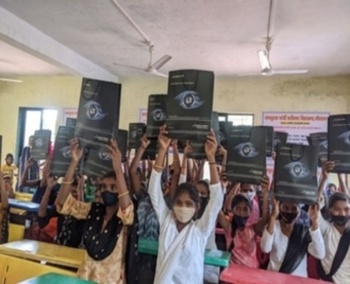
One such name is Project Chirag, which is an NGO for solar power for village development, working to spread light in those houses which have no electricity in the rural area. By providing efficient and affordable solar energy kits, Project Chirag has altered peoples’ lives in many villages. From solar energy projects for school students to continue their education, to helping the women there live in safety, this Mumbai NGO is surely changing the face of rural India. This project of harnessing solar power is a good case study that shows how solar energy can assist in addressing energy imbalance in the Indian states and territories.
2. Growth of wind energy
India occupies the fourth place in wind power capacity worldwide with ** 72% increase in wind energy installation. India’s wind sector is likely to sustain its growth and has a plan toward increasing the same exponentially in the coming decades. Off-shore wind energy is also being considered to increase capacity more and cut down the use of fossil fuels and supply clean energy in the country.
3. Rising focus on green hydrogen
India adopted the National Hydrogen Mission in January 2021 with a target to make India a global hub for green hydrogen by 2030. Clean hydrogen generated from renewable power including solar and wind is a carbon-free product that meets the demands of heavy users like steel and chemicals. India’s plan is to generate 5 million tons of green hydrogen every year by 2030.
4. Bioenergy and waste-to-energy innovations
Renewable energy from bio waste is picking up in India more so in the farming regions whereby biomass energy such as biogas and bio fuel can be produced with discarded fruits and vegetable waste. The bioenergy industry in India is expected to expand as biogas and biofuel technologies drive clean energy generation from organic waste and develop a circular ecosystem in rural areas.
5. Distributed energy resources (DERs) and rooftop solar
Households and businesses have been installing solar systems since the Indian government set a target of 40 GW of rooftop solar power by 2022.Thanks to solar energy project donation thru schemes and projects such as Project Chirag plus funding by the government, there has been a steady development. These DERs make it possible for communities to have control over the electricity they use, decrease the reliance on electricity from the grid, and are important as they enhance the availability of renewable electricity in the country.
6. Energy storage technologies
A key issue with renewable energy is that it varies with seasons, especially when it comes to solar and wind energy. Energy storage solutions like lithium-ion batteries have emerged as critical tools for maintaining power reliability and managing the power grid. India is also looking at micro-grid systems integrating solar, wind and storage solutions to ensure reliable power supply. With the National Mission on Transformative Mobility and Battery Storage, India aims at creating an energy storage hub and promoting renewable energy systems.
7. Electric mobility and renewable transportation
The transportation sector in India is also following the recent trends in renewable energy by transitioning to renewable sources of energy as well. Of course, electric cars and public transport charged with renewables offer one piece of the pie to help solve the problems of urban pollution and excess carbon. This transformation further contributes to the global objective of generating energy from renewable sources and minimizing the usage of fossil fuels, especially in large cities.
8. Smart grids and digitalization
Smart grids apply enhanced ICTs for enhancing the transmission, distribution, and management of electricity especially where renewable resources are involved. Much more specifically, smart grids assist in controlling the demand and supply, managing wastage and increasing efficiency. The latest research also indicates that the global smart grid market will be valued at almost ***$141 billion by 2028. If that’s not an opportunity, what is?
9. Energy efficiency programs
Energy efficiency is certainly one of the most popular renewable energy trends and is well known as an enabler of meeting the energy demands sustainably and reducing emissions. Using energy efficient devices in industries and homes saves costs as well as the environment. With the continued progress in improved energy efficiency technologies, India has scored high in sustainable energy management to further improve on the carbon footprint and enhance its sustainability goals.
10. Corporate investments in renewable energy
As more corporations in India commit to renewable energy, the private sector plays a crucial role in India’s renewable transformation. Through Corporate Social Responsibility and partnerships, green energy NGOs have accelerated renewable investments among Indian companies. Corporate investments and CSR not only help reduce emissions but also create a domino effect across industries, prompting smaller enterprises to adopt sustainable practices.
Recent trends in renewable energy in India showcase the country’s dedication to creating a sustainable energy future. From expanding solar and wind capacities to embracing green hydrogen and bioenergy, India’s progress reflects a strong commitment to SDG 7. India’s renewable journey is just beginning, and with ongoing innovations and initiatives, and the efforts of NGOs like Project Chirag, the nation is poised to be a global leader in sustainable energy solutions.