CSR and SDGs: Aligning Corporate Impact with India’s Rural Priorities
What does CSR in India really mean today? It has moved beyond donations and charity and evolved into something much bigger. Over the past decade, Corporate Social Responsibility has driven real, long-term change. And with the Sustainable Development Goals setting a global roadmap till 2030, there’s a new question: How can companies make sure their CSR efforts do the miraculous job of aligning with India’s priorities and the world’s shared goals at the same time?
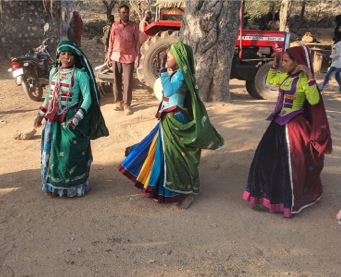
The answer lies in rural India. Nearly 65% of India’s population still resides in villages. Here, challenges are abundant. People continue to grapple with issues such as energy access, water scarcity, and a lack of education. This continues to hinder progress even today. Unless rural communities are empowered, the SDGs cannot be achieved. This is where CSR and SDGs in India come together. Organisations like Project Chirag are creating models that corporates can partner with for real, measurable impact.
Why CSR and SDGs Must Go Hand in Hand?
The Companies Act, 2013, made CSR a mandate for eligible firms. However, now it has not remained in compliance anymore. Today, investors, customers, and global stakeholders evaluate companies not only on profits but also on their Environmental, Social, and Governance (ESG) performance. Aligning corporate social responsibility rural development projects with SDGs ensures that CSR funds address India’s deepest needs while contributing to global sustainability metrics.
In other words, CSR that is mapped to the SDGs is a lot more than charity. It’s a smart, future-focused investment. Corporations benefit through stronger ESG scores. They experience reputational gains and stakeholder trust, while communities benefit through lasting empowerment. So it’s a win for both.
How Project Chirag’s Work Maps to the SDGs?
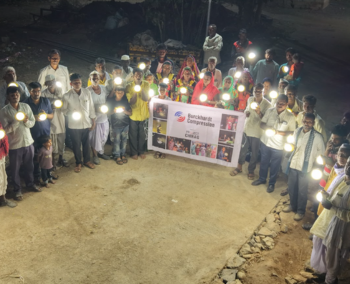
At first glance, Project Chirag’s work seems simple: bringing solar energy to rural homes, schools, and farms. But bringing every solar lamp or pump and installing it is met with multiple roadblocks. First layers of progress have to be unlocked to finally achieve success. Here’s how Chirag’s model ties into SDGs and rural empowerment in India:
- SDG 7: Affordable and Clean Energy – Solar lamps, lanterns, and mini-grids replace polluting kerosene lamps. This will also reduce reliance on unreliable electricity grids.
- SDG 3: Good Health and Well-being – Smoke-free homes cut respiratory illnesses. Streetlights reduce accidents and improve safety.
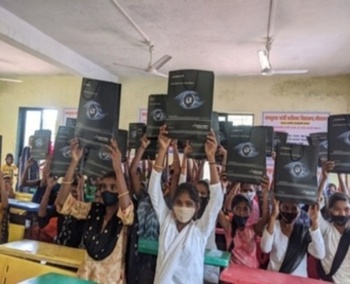
- SDG 4: Quality Education – Children gain extra hours of study with clean lighting. Additionally digital classrooms powered by solar energy connect them to 21st-century learning.
- SDG 5: Gender Equality – Women use evening hours for micro-enterprises. Solar streetlights also make villages safer after dark.
- SDG 6: Clean Water and Sanitation – Solar-powered pumps provide safe water for drinking and irrigation. This reduces women’s burden and enables kitchen gardens.
- SDG 8: Decent Work and Economic Growth – Energy access allows shops to run longer. Farmers can irrigate land and rural families earn better.
- SDG 13: Climate Action – By replacing kerosene, Chirag’s projects cut CO₂ emissions. This also helps in building resilience against climate change.
Project Chirag’s CSR Impact Aligned with SDGs
To make this alignment clearer, here’s how Chirag interventions contribute simultaneously to rural transformation and corporate goals:
SDG Goal | Chirag’s Intervention | Impact in Rural India | Corporate Benefit |
SDG 7: Affordable & Clean Energy | Solar lamps, lanterns, streetlights, mini-grids. | Reliable, clean power for households, schools, and farms | Meets renewable energy & sustainability reporting targets |
SDG 3: Good Health & Well-being | Smoke-free homes, safer lighting | Reduced respiratory illnesses, fewer accidents | Strengthens ESG metrics under “Social” |
SDG 4: Quality Education | Solar-powered classrooms, digital learning | Longer study hours, improved attendance | Builds brand reputation as an enabler of education |
SDG 5: Gender Equality | Solar streetlights, time freed for women | Safer mobility, women-led enterprises | Demonstrates gender-focused CSR impact, supports DEI goals |
SDG 6: Clean Water & Sanitation | Solar-powered water pumps | Easier access to safe water, irrigation | Aligns with WASH priorities, visible transformation |
SDG 8: Decent Work & Economic Growth | Energy access for shops, farms, and small businesses | Higher incomes, reduced distress migration | Direct link to livelihood creation, top CSR theme |
SDG 13: Climate Action | Reduced kerosene use & CO₂ emissions | Cleaner air, climate-resilient villages | Strengthens green CSR portfolio & climate disclosures |
This dual-impact model shows why Project Chirag is a strong partner for corporates who want CSR investments to be both socially relevant and globally recognised.
Why Corporates Should Back Rural Priorities?
India’s villages are where the SDG challenge is most acute. Lack of reliable power affects education, health, and livelihoods all at once. For corporates, ignoring rural priorities means missing the opportunity to solve interconnected problems with high-return interventions.
Supporting Project Chirag offers:
- Multi-SDG impact with one project – Energy access creates a domino effect across health, education, gender, and livelihoods.
- Transparency and accountability – Community-driven ownership ensures sustainable outcomes and efficient use of funds.
- Global credibility – Partnerships strengthen ESG reporting, improve sustainability rankings, and build investor confidence.
The Chirag Model
One of Project Chirag’s unique strengths is its participatory model. Villagers contribute land (bhudaan), labour (shramdaan), and create committees to manage solar systems. This ensures that infrastructure is cared for by those who use it and not abandoned.
For corporates, this means their investment builds systems that last. This model of CSR for sustainable development goals ensures long-term community resilience. It also protects corporate credibility and ensures sustainable rural development in India.
Can India meet the SDGs on government action alone? Probably not. The private sector has to step in. CSR funds have to go where they create real, lasting change. Scalable. Sustainable. That’s the only way forward. And this is where Project Chirag comes in. A model that lights up villages. A model that fits right into global sustainability goals.
As we move toward 2030, every solar lamp installed is proof that rural empowerment and global sustainability can go hand in hand.
Partner with Project Chirag and support rural development to align your CSR with the SDGs.