Clean Water, Clean Energy, Clean Communities!
Clean water is a basic human right, and electricity has also become one of those things we can’t live without. However, many millions of people worldwide, in developing and other remote regions, still face challenges in fulfilling these fundamental needs. The problems they encounter are as diverse as water-borne diseases, no electricity, and many such issues which hinder growth, incentives, and even health.
There are over 2 billion people around the globe who do not have access to clean water especially those in rural areas. In India 163 million people have no access to safe water for drinking and poor sanitation makes it worse. It results in hunger, water-borne diseases and hence reduced workforce productivity. There is the need for implementing clean water projects as currently there is a dire need for them. And that’s where NGO for rural development in India like Chirag Foundation come into picture.
Clean water projects in India: life-changing impact
On a brighter note, India has been making some pretty impressive progress when it comes to tackling this water crisis. There are various projects for clean water and sanitation that aim to give rural communities access to safe drinking water. We’re talking about things like installing water purification systems, building wells, and even creating systems for harvesting rainwater. But here’s the thing – the real magic happens when the community gets involved and when these projects are designed to last.
Empowering communities through clean water
By providing access to clean water, we can empower communities in various ways:
- Improved health: Availability of clean water decreases the incidences of water related diseases hence improved health of children and the elderly.
- Increased productivity: When people don’t have to spend hours and hours fetching water, they have more time to focus on things that matter and are more productive – like farming or running their small businesses.
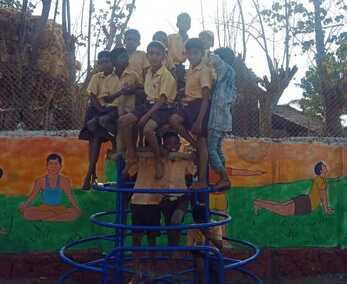
- Education: When there are schools with clean water and decent sanitation, attendance goes up, and kids tend to do better academically. It’s a win-win!
- Gender equality: It is often women and girls that are responsible to go out and fetch water. The availability of safe water can spare time for self-care, education and economic activities and empower women.
Empowering communities with solar power projects in India – Harnessing the power of sun
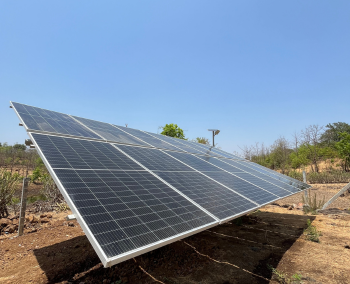
Like water, electricity is another basic need that is scarce and hard to access in many communities especially in the rural areas. This has made solar power rise to the challenge and be a viable solution in places that are not even on the grid or where it can be very expensive to put up the grid. These are not only delivering electricity to homes but also changing people’s lifestyles.
By harnessing the power of the sun, empowering communities with solar power can be achieved in the following ways:
- Economic development: Solar power generates jobs—whether it’s installation, maintenance, or manufacturing. This can really give local economies a boost.
- Improved quality of life: Electricity in the house, cooking, fuel for shops or factories, all can be afforded through use of solar energy hence providing a better.
- Environmental sustainability: It is cost-effective, environment friendly energy that cuts down greenhouse gases and the effects of climate change.
- Energy independence: These plants can help communities become less reliant on fossil fuels by investing in clean, domestic energy.
Now, think about this ripple effect. When communities get powered by solar energy, it can really shake things up in the local economy – from small businesses to schools and healthcare centres – every aspect of life is touched. When the whole community has access to clean and affordable energy, it’s like setting the stage for even greater economic development. It’s pretty amazing what a little sunlight can do!
Empowering rural communities - sustainable rural development in India
At Project Chirag we believe that the use of solar power together with clean water systems can be a real source of change in remote areas due to the effectiveness of renewable energy. Pumped by the sun, there are water filtration plants that have been installed in some villages for supplying the people with safe and purified water to drink. The solar energy source is used in the powering of the filtration process by the community and hence the community gets clean water even when the main power supply is off. This integrated approach is the model of exercising the power for the enhancement of local communities.
Apart from offering a chance to get clean water and renewable energy besides minimizing consumption of non-renewable resources, the program also contributes to climate change adaptation within the community. The same can be applied to other projects like water pumping and filtration which reduces the frequency of using fuel-based generators hence reducing the expenses incurred by families and helping them to come out of the dismal poverty level.
Real-life stories of transformation of communities
The results of projects for clean water and sanitation can be observed in hundreds of communities all around the globe. Here are a few inspiring stories:
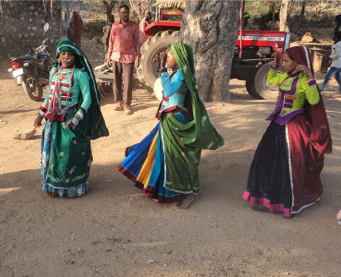
- Project Chirag brightened the lives of people in Modha and Chulipani, two villages in Gujarat. These were villages that had no electricity and a sustainable and convenient source of water was hard to come by. The NGO provided solar home lighting installations and automatic sensor streetlights positively impacting the lives of the people in the village. These interventions relieved the problem of darkness and added value to safety and security particularly women and children.
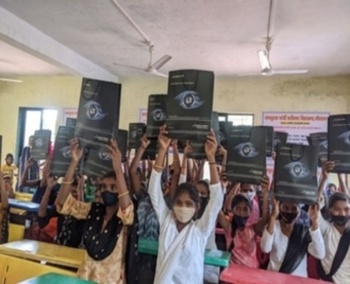
- Project Chirag embarked in Mokhada, a tribal dominant block in Palghar district of Maharashtra. The challenges of the region included poverty, unemployment, and poor education and health facilities. To cope up with these problems, the NGO worked on education facilities and used methods of education innovation in the villages of Poshera and Chikanpada. Project Chirag uses solar power e-learning solution, which has enhanced school enrollment and attendance particularly girls.
- It was the women folk of the Tokpada village in Nashik district who suffered a lot mainly due to the water crunch situation. This had the effect of exercise on their health as they were forced to cover long distances just to get water for their needs. Project Chirag intervened with the lift irrigation system which works on the solar power basis that meant having clean drinking water for domestic and agriculture purposes. Through this, the villagers have benefited from enhanced health and hygiene standards, minimized water borne diseases moreover, agriculture has been made sustainable.
By investing in clean water and solar power projects, we can empower communities, create a more sustainable future, and build a better world for all. Let us continue to work together to ensure that everyone has access to these essential resources. By supporting Project Chirag through your donation for rural development, you can help us continue our mission of empowering communities through clean water and solar power. Together, we can create a brighter future for generations to come.