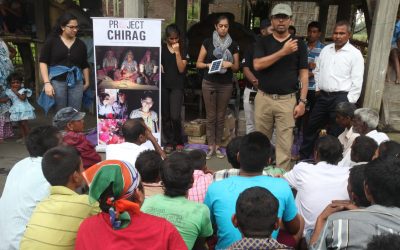
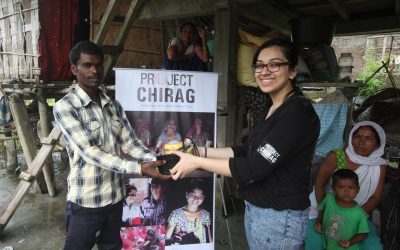
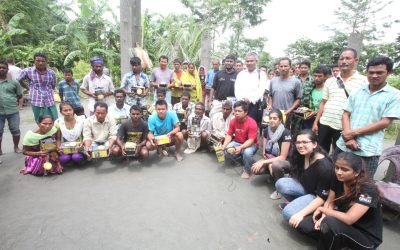
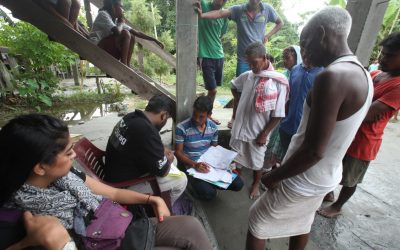
The Solar lighting led to a 90% reduction in the consumption of kerosene used by villagers for lighting lamps, creating economic opportunities for the villagers as well. The solar kit given to them also has the capability to charge a mobile phone as the villagers in the mountains have to trek over 6 kilometers to charge their phone every two to three days. Some are also charged to use the plug point. Now, they can charge their mobile phones at home, for free. The lights were the driving force for an improvement in the day to day lives of the beneficiaries. Not only did the lights solve the practical issue of darkness post sunset, Project Chirag gave two lights per household, meaning every member of the household now had access to light. The women of the household now had more time to finish their daily chores and an opportunity to find employment during the day, increasing the household income. Children use the lights to study after school. The portable lantern enabled the farmers to work the agricultural lands longer as they could now reach the fields earlier and leave them later, as there is no concern in travelling back home in the dark. Furthermore, if needed, farmers can check on their fields at night, helping to ensure their crops are safe. The use of solar lights also improved the health of the villagers as no more kerosene lanterns were being used by the families for light after sunset as the lanterns emitted thick, black smoke, filled with carbon which was dangerous to inhale every day.