10 Things You Didn't Know About Energy Poverty in India
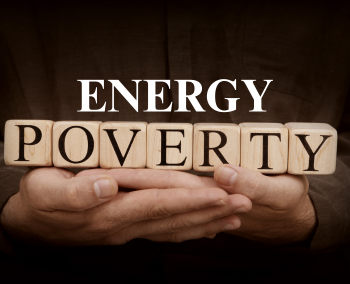
India is the world’s third-largest energy consumer. It has satellites orbiting Mars and a growing tech economy. Yet over 300 million Indians, roughly 25% of the population, still live without access to basic necessities like light, clean water, and reliable energy. This is not a footnote. This is a crisis hiding in plain sight.
Here are 10 facts about energy poverty in India that don’t make enough headlines.
A Connection Isn't the Same as Access
India officially declared near-universal household electrification under the Saubhagya scheme. But “connected” does not mean “powered.” Millions of homes in rural India receive electricity for only 2–4 hours a day. Not enough to run a fan, charge a phone, or light a child’s study. Electricity access in India is still measured in hours, not rights.
57% of Rural Households Live in Energy Poverty
In rural areas, 57% of households experience energy poverty while only 22% experience income poverty. This gap matters. It means that even families with some income cannot access or afford reliable, clean energy. Energy inequality in India runs deeper than most development reports acknowledge.
41% Still Cook on Biomass, and It's Killing Them
Despite near-universal electricity connections, 41% of Indians still rely on traditional biofuels like cow dung and wood for cooking. Burning solid fuels indoors releases dangerous pollutants, and indoor smoke can have levels of fine particles 100 times higher than the WHO acceptable limits in poorly ventilated homes. This is the hidden face of the rural energy crisis in India.
Women Bear the Heaviest Burden
Women and girls are more likely to collect and prepare biofuels, taking time away from education, childcare, and income-generating activities. They also spend the most hours in smoke-filled kitchens. When clean energy in rural India is out of reach, women pay the highest price with their time, their lungs, and their futures.
The Poorest 1 in 5 Rural Households Are Still in the Dark
About 1 in 5, i.e 18%, of the poorest rural households still do not have access to electricity. These are the families at the bottom of every data set, consistently left out of grid expansion plans because they are too remote, too poor, or too tribal to be commercially viable customers.
Eastern and North-Eastern India Are the Most Vulnerable
Analysis based on the geographical spread of energy poverty reveals that eastern and north-eastern states are the most vulnerable and require strategic policy actions at all layers of governance. States like Jharkhand, Odisha, Bihar, and parts of the North-East continue to face severe power shortages in India’s villages, decades after independence.
Kerosene Is Not a Safe Alternative. It's a Health Hazard
Millions of families still use kerosene lamps for light. Kerosene use for cooking and lighting is associated with increased risk of tuberculosis, low birth weight, chronic obstructive pulmonary disease, lower respiratory tract infections, lung cancer, and lung function decline. Accidental ingestion of kerosene is also the leading cause of childhood poisonings in low- and middle-income countries. Lack of electricity in India forces families into this dangerous trade-off every single night.
Children Lose Study Hours Every Day
When the sun goes down in an energy-poor village, children stop studying. A kerosene lamp emits toxic fumes and poor light. A charged solar lamp changes that equation completely. Research consistently shows that access to electricity in rural communities is one of the strongest predictors of educational outcomes. Not because electricity is magic, but because light after dark is.
Energy Poverty and Income Poverty Reinforce Each Other
Energy poverty is linked to lower socio-economic status, lower education levels, and marginalized communities, including Dalits and tribal Adivasi groups, who have seen only a marginal decline in their energy poverty rates. Without reliable, affordable energy, there are no home-based businesses, no cold storage for produce, no electric pumps for irrigation. Energy access in rural communities is not separate from economic mobility. It is the foundation of it.
Decentralised Solar Is the Fastest Path Forward
Grid expansion to remote areas is expensive and slow. Decentralised Renewable Energy (DRE) projects: private solar panels, micro-grids, and other community-focused projects have proven to reduce energy poverty in India’s marginalised communities. The technology exists. The need is urgent. What’s missing is consistent funding, boots on the ground, and the will to reach the last village, not just the last mile.
What Project Chirag Is Doing About It
Project Chirag is a non-profit working to enable solar power across underserved rural India. One village at a time. From community electrification to solar home systems, Anganwadi adoption, and tree plantation, Project Chirag addresses energy inequality in India as part of a larger commitment to self-sufficient, sustainable rural development.
Over 10,000 young people have already joined the movement. Hundreds of villages have been transformed. But 300 million people still wait.
You can be part of the change.
→Donate for solar panel project → Join the Youth Ambassador Program → Partner with us for CSR
Share this post. Talk about it. Because energy poverty in India doesn’t end until enough people refuse to look away.