7 Ways a Single Solar Installation Changes a Village's Economy
When we talk about the power grid in metropolitan cities, we measure progress in smart systems and seamless automation. But in the remote corridors of rural India, progress is measured by a much simpler index: what happens after the sun goes down?
For millions of people, sunset means an absolute halt to productivity. Businesses close, children stop studying, and farming operations grind to a halt. Decades of conventional energy expansion have still left vast pockets of the country vulnerable to severe grid instability, prolonged blackouts, and erratic voltage drops.
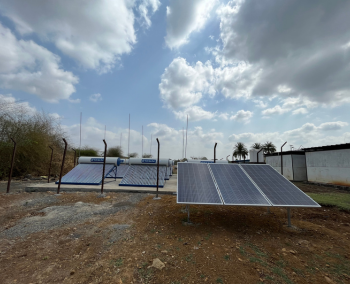
Deploying solar energy for rural development is far more than an environmental choice; it is a comprehensive economic intervention. When an organisation like Project Chirag sets up a centralised grid, installs standalone home lighting modules, or deploys high-powered solar pumps, it sparks a structural domino effect.
A single decentralised solar setup completely rewires a village’s internal market, creating self-sustaining growth from the ground up. These seven critical pathways demonstrate how micro-level renewable assets catalyse macro-level village economic growth.
The Economic Reconstruction: 7 Transforming Channels
1. Extends the Retail Working Day
In a village reliant on erratic grid power or expensive kerosene, shopkeepers, tailors, and artisans close their doors by 6:00 PM. This restriction artificially caps their earning potential.
Conventional Cycle: Sunset (6 PM) ──> Business Shutdown ──> Capped Daily Income
Solar-Powered Cycle: Sunset (6 PM) ──> Solar Lighting ──> Extended Business Hours (9-10 PM) ──> 30-50% Revenue Boost
With clean, uninterrupted solar light, local kirana (grocery) stores, tea stalls, and small handicraft workshops comfortably operate until 9:00 PM or 10:00 PM. Extending the business day by three to four hours directly correlates to a 30% to 50% increase in daily retail revenues, circulating more capital within the micro-economy.
2. Powers Perennial Agriculture and Eradicates Diesel Costs
Traditional farming in India is heavily constrained by irregular monsoon patterns and the crippling operational expenses of diesel generators. According to primary agricultural field studies, switching from diesel-driven irrigation to solar pumps cuts crop cultivation inputs by roughly 25% to 40%.
Freed from recurrent fuel costs, smallholder farmers gain a stable water supply. This allows them to transition from single-crop dependencies to multi-cropping configurations across the winter and summer months, stabilising food security and boosting year-round agricultural profits.
3. Spurs Non-Farm Livelihoods and Micro-Entrepreneurship
Unreliable electricity keeps rural communities trapped in manual, low-yield labour frameworks. Reliable power opens up entirely new rural livelihood opportunities.
With a dependable energy foundation, villagers can confidently invest in power tools and machinery without fear of voltage spikes frying their equipment. Potters introduce motorised wheels, tailors scale up with electric sewing systems, and entrepreneurial youth establish small localised digital service hubs (handling photocopying, digital banking, and government portal registrations), diversifying the village’s income base away from pure agriculture.
Case in Point: The Modhera Transformation
In Modhera, Gujarat—India’s first fully solar-powered village—the elimination of conventional utility bills allowed local weavers, shoemakers, and clay artisans to double their weekly manufacturing outputs. The resulting surplus income was immediately reinvested into advanced raw materials, healthcare, and higher education.
4. Halts Forced Seasonal Migration
When a village faces absolute resource scarcity during dry summer seasons, working-age men and women are forced to migrate to urban slums to secure temporary daily-wage labor. This causes severe social fragmentation and fractures the local rural economy.
By integrating community solar projects that power continuous water filtration plants and shared micro-irrigation systems, villages retain their primary workforce. When year-round farming and local commerce become economically viable, families remain intact, and local purchasing power stays concentrated within the community.
5. Reduces Household Energy Burdens
Low-income rural households spend a disproportionate share of their meager earnings on non-renewable energy fuels like kerosene, torch batteries, and unreliable commercial charging setups.
Transitioning to independent solar home systems redirects these recurring expenditures straight back into the family pocket. The immediate monetary savings are typically repurposed to purchase higher-quality nutrition, secure formal healthcare, and cover schooling costs for children.
6. Boosts Educational Outcomes and Future Human Capital
The long-term economic prosperity of a community depends on the educational foundation of its youth. Studying under the dim, toxic flicker of a kerosene lamp causes severe eye strain and limits learning capacity.
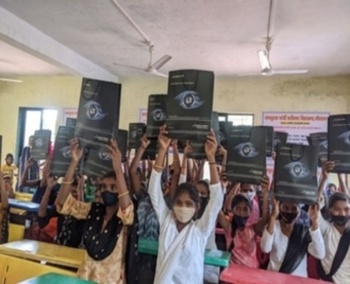
When community solar arrays illuminate local schools, Anganwadis (mother and child care centers), and homes, learning patterns adapt. Children gain safe, bright evening hours to complete school assignments. Furthermore, clean power allows NGOs to install digital classrooms and computer stations, bridging the massive digital literacy gap between rural students and their urban peers.
7. Creates Local Technical and Maintenance Employment
A major flaw of traditional top-down development projects is their complete reliance on external urban professionals for basic repairs. If a system fails, it stays broken.
Project Chirag’s grassroots strategy focuses on establishing local self-reliance. By training village youth and women as dedicated solar technicians to handle cleaning, routine maintenance, and battery management, the model creates direct local employment. This vocational upskilling keeps high-value technical capabilities inside the village ecosystem.
Economic Blueprints
Economic Indicator | Pre-Solar Village Economy | Post-Solar Village Economy |
Active Business Hours | Constrained by daylight; ends abruptly at dusk. | Extended by 3–4 hours into the evening. |
Agricultural Input Cost | High and volatile due to fluctuating diesel prices. | Near-zero operational costs post-installation. |
Local Job Diversity | Heavily dependent on seasonal manual farming. | Balanced across digital, retail, and technical fields. |
Household Cash Reserves | Drained by recurring kerosene and battery purchases. | Preserved and reinvested into health and education. |
Population Stability | High rates of forced, seasonal urban migration. | Stable, localized workforce retention. |
Build Sustainable Solar-Powered Communities
The transition toward a sustainable village economy does not happen through isolated charity drops. It requires a structured, community-led framework that treats clean energy as an economic foundation.
By supporting Project Chirag, corporate entities and individual donors aren’t just distributing solar appliances, they are investing in long-term financial independence, local jobs, and clean, scalable growth for rural India.
FAQs
1. How does solar energy directly influence village economic growth?
Solar energy extends the productive working day past sunset, lowers agricultural input costs by replacing expensive diesel pumps, and enables the use of machinery for micro-enterprises. These factors work together to elevate household incomes and stimulate local trade.
2. Why are community solar projects better than individual household systems?
While individual systems work well for basic home lighting, shared community installations pool power to drive heavier communal infrastructure. This includes high-yield drinking water purification plants, large-scale agricultural irrigation systems, and digital equipment inside village schools.
3. What is the financial payback period for a rural solar pump investment?
By completely eliminating recurring diesel fuel purchases and increasing crop yields through reliable watering cycles, most rural solar irrigation systems offset their initial setup costs within 2 to 3 years, delivering entirely free power for the rest of their 25-year operational lifespan.
4. How does rural electrification India improve regional gender equality?
Clean energy interventions drastically reduce the hours women spend gathering firewood and walking long distances for water. Safe evening street lighting also expands security, allowing women to run self-help groups, attend evening literacy classes, and manage independent retail stalls safely at night.
5. How can my corporate organisation partner with Project Chirag for a solar project?
Project Chirag, a sustainable rural development NGO works closely with corporate boards to design fully compliant, high-impact CSR initiatives tailored to your specific funding goals. They manage everything from baseline community selection and hardware deployment to long-term impact reporting.