5 Ways Community-Led Solutions Are Strengthening Rural India Today
Rural India has always thrived on the strength of its people. For generations, villages have solved problems not through top-down directives, but through collective wisdom and shared responsibility. Today, this tradition finds new expression in community-led development initiatives that are changing lives across the country’s remotest corners. These grassroots development initiatives prove that sustainable change doesn’t come from distant offices but from the hands of those who know their land, understand their challenges, and envision their own future.
Villagers Become Decision-Makers, Not Just Beneficiaries
The shift from passive recipients to active architects of change marks the most significant transformation in rural development. Community participation in development now means village councils debate solutions late into the night, women gather to prioritise needs, and farmers collectively decide which crops will sustain them through changing seasons.
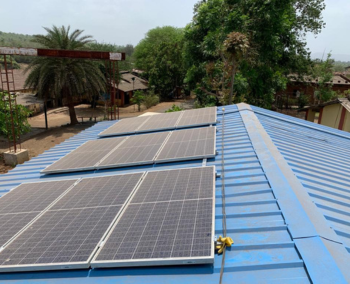
In villages across Maharashtra and beyond, residents conduct their own surveys, identify pressing needs, and design interventions that fit their unique circumstances. When communities install solar lighting systems, they decide where lamps should go, who maintains them, and how to handle repairs. This ownership transforms outcomes. A solar lamp maintained by the community lasts longer because someone’s neighbour installed it, someone’s cousin checks it monthly, and everyone benefits from its glow.
Local leadership in rural development emerges not from appointments but from trust earned through years of shared struggles. Village elders who once mediated disputes now facilitate development meetings. Women who fetched water together now plan water conservation strategies together. This approach respects something fundamental: rural communities possess knowledge that no external expert can replicate.
Solutions Adapt to Local Realities, Not Generic Templates
Every village tells a different story. One struggles with electricity; another has power but lacks clean water. People-led development models recognise this diversity and refuse to impose uniform solutions.
Sustainable community solutions emerge when villagers identify their specific challenges and craft responses that fit their environment. A coastal village might prioritise fisheries training while a mountain hamlet focuses on terraced farming. The same organisation might provide solar home lighting in one location and community water purification systems elsewhere, not because of inconsistency, but because communities asked for different things.
This flexibility extends to implementation. If a village traditionally makes decisions through consensus under a particular tree, meetings happen there. If women feel more comfortable discussing issues separately before joint meetings, programs accommodate this. External support organisations increasingly understand their role: provide resources, share technical expertise, but let communities determine priorities and methods.
When Project Chirag brings solar solutions to villages, the technology adapts to local needs, home lighting where it matters most, street lights along paths women walk after dark, and charging stations where children study. This customisation makes solutions stick because residents maintain what they designed.
Skills Transfer Creates Self-Reliance, Not Dependency
The distinction between charity and empowerment shows most clearly in skill development. Community-led development initiatives in India focus relentlessly on building local capacity so villages eventually need no external support.
When solar systems arrive in a village, several residents receive thorough technical training in installation, maintenance, and troubleshooting. These newly trained technicians earn respect and often income by serving their community and neighbouring villages. Women learn to operate water purification systems and train the next group. Youth coordinate logistics and develop leadership skills that serve them long after projects conclude.
This investment in human capital generates long-term rural development impact far exceeding the initial intervention. A village with trained solar technicians can expand their lighting system independently. A community that mastered one development initiative approaches the next with confidence and capability.
Rural community empowerment means villages graduate from support rather than depend on it indefinitely. They take ownership not just of physical assets but of their development trajectory. External organisations celebrate when communities stop needing them; that’s success, not failure.
Collective Action Multiplies Individual Efforts
Isolation breeds vulnerability in rural areas. Single farmers struggle to access markets or negotiate fair prices. But when communities act together, they achieve what seemed impossible alone.
Community participation in development harnesses collective strength strategically. Village savings groups pool resources to fund small enterprises. Joint cooperatives purchase supplies at bulk rates and sell produce collectively for better returns. Communities negotiate with authorities as unified voices rather than scattered petitions.
This collaboration extends beyond economics. Villages form health committees that ensure everyone accesses government schemes. Education groups tutor children whose parents work long hours. Environmental teams coordinate tree planting across multiple properties, creating corridors that benefit entire regions.
The social fabric strengthens through these efforts. Working toward common goals builds trust between different castes, economic classes, and generations. Grassroots development initiatives succeed partly because they tap into existing social structures rather than trying to replace them. They recognize that villages already function as communities and channel that cohesion toward development goals.
Measured Impact Drives Continuous Improvement
Community-led initiatives document results rigorously but evaluate success through local eyes, not just external metrics. Yes, numbers matter—how many homes illuminated, liters of clean water provided, families impacted. But sustainable community solutions also measure whether children study longer, women travel safely after dark, or health improves with better sanitation.
Villages track their own progress through methods that make sense locally. Some keep visual charts showing homes with electricity. Others hold regular meetings where residents share observations. This ongoing assessment enables course corrections. If a particular intervention doesn’t work as planned, communities adjust quickly because they’re monitoring outcomes daily.
Long-term sustainable rural development in India impacts reveal themselves in transformed expectations. Villages that once accepted hardship as inevitable now expect progress. Communities that felt powerless now advocate assertively for their needs. Young people who might have abandoned their villages stay or return, seeing futures there worth building.
The ripple effects extend beyond individual villages. Successful community-led initiatives inspire neighboring areas to organize similarly. Trained residents share expertise across regions. What begins as isolated experiments in people-led development models evolves into movements that reshape rural India’s possibilities.
The Road Forward
Rural India’s transformation won’t come from distant planners or imported solutions. It will emerge from millions of small decisions made by villagers themselves, where to install a solar lamp, how to conserve water, which skills to develop, and what future to pursue. Community-led development recognises this reality and amplifies rather than replaces local agency.
Organisations like Project Chirag demonstrate what’s possible when external expertise serves internal vision, when technology enables rather than dominates, and when development truly means empowerment. Their work in bringing solar power and comprehensive support to underserved communities shows how sustainable community solutions operate, not as charity but as partnership, not as temporary relief but as foundations for lasting change.
The results speak through transformed lives: children studying after dark, women accessing safe water, families building livelihoods, and villages taking charge of their destiny. These outcomes persist because communities created them, maintain them, and continue improving them. That’s the promise of local leadership in rural development: change that lasts because those living it lead it.
Support Rural Development to ensure rural Indians have the resources, respect, and room to write their own story.