5 Indicators That Show a Rural Development Program Is Truly Working
Article Summary
This article is based on practical rural development evaluation principles used widely in field implementation, where impact is assessed not only by infrastructure created but by adoption, behaviour change, and community ownership over time. Key indicators are used across people-led rural development models and grassroots program monitoring.
A rural development program is truly successful when it creates long-term change that people continue even after external support reduces. Real impact is visible in behaviour change, adoption of better practices, community ownership, and continuity over time. Below are 5 clear indicators that show whether a rural program is genuinely working on the ground.
People Start Taking Ownership Without Being Told
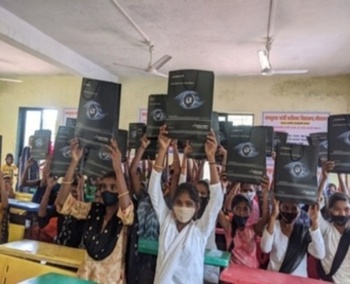
The strongest sign of success is when villagers stop seeing the initiative as “NGO work” and start calling it “our work.” This happens when communities take responsibility for planning, decision-making, and problem-solving.
In community-led development in India, ownership is the difference between temporary improvement and long-lasting progress.
What it looks like in real life:
- People attend meetings voluntarily
- Communities contribute time, labour, or small resources
- Decisions come from the village, not from outside teams
Behaviour Change Is Visible in Daily Habits
Infrastructure alone doesn’t prove impact. Behaviour change does.
A rural development program is working when communities adopt new practices because they genuinely believe in them, not because someone is monitoring them.
Examples:
- Families regularly use toilets after sanitation work
- Better farming practices are being continued season after season
- Health and hygiene practices are being followed consistently
This indicator directly reflects sustainable community solutions, because sustainability is always rooted in habit.
Local Leadership Starts Emerging Naturally
If a program is doing the right work, local leaders will emerge. Especially women, youth, and first-time decision makers. This is essential because local leadership in rural development ensures that progress continues after the project period.
Healthy signs of leadership:
- A group leader coordinates activities without external pushing
- Youth groups run awareness drives
- Women confidently participate in village decisions
Community Participation Increases Over Time
Participation should not be a one-time event. True transformation is when community involvement grows steadily.
In strong grassroots development initiatives, participation expands beyond a few people and becomes inclusive—across age groups, genders, and communities.
Signs of true community participation:
- Villagers ask questions and suggest improvements
- Local volunteers start guiding others
- Participation stays strong even after incentives stop
Continuity Exists Even Without Constant Support
This is one of the most important indicators.
A rural development program is truly working if the community continues actions even when:
- Training sessions reduce
- Field visits are less frequent
- External teams step back
Continuity proves systems are built, not dependence. And this is what defines long-term rural development impact. At Project Chirag, the focus is not just on activities, but on building community systems that continue independently, through local leadership, participation, and real adoption.
Continuity examples:
- SHGs remain active with savings and lending
- Farmers continue new crop methods
- Village committees still meet and function
What “True Impact” Really Means
In rural development, success is not only about outputs. It’s about people-led systems that continue. When communities demonstrate ownership, leadership, participation, behaviour change, and continuity, the program is not just running, it is working.
At Project Chirag, this is the focus: strengthening rural community empowerment through community-led development in India, ensuring progress is durable, grounded, and locally driven.
If you want to contribute to meaningful change, a donation for rural development can help strengthen people-led solutions, livelihoods, and long-term impact in rural India.