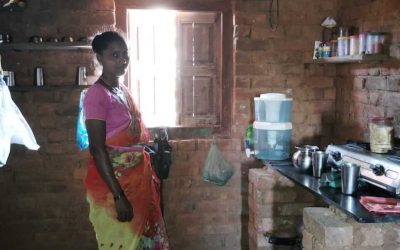
Kambare

March 2023

Households: 350
People: 1500

Intervention

Integrated Village Development Program
Leader
Lives Impacted
0
eco-bulb
Homes Illuminated
0

Donor

Sumitomo Chemicals Rotary Club of Bombay

Grassroot Partner

Diganta Swaraj Foundation

Assessment

Kambare Village encountered a range of critical issues affecting its basic infrastructure and community services. The lack of clean drinking water was a significant concern, posing health risks and forcing residents to rely on potentially contaminated sources. Continuous access to electricity was also a significant problem due to frequent load shedding, which disrupted daily life and hampered economic activity. The absence of electricity in the Anganwadi center hindered its operations, limiting educational activities and health services for children and mothers. The structure of the Anganwadi itself was inadequate, with safety hazards and insufficient facilities, impacting the quality of care and learning. Furthermore, there was no access to filtered water, exacerbating health risks and limiting the community’s ability to meet basic hygiene standards. Efforts were made to address these issues, including implementing water purification systems, improving electricity infrastructure, renovating the Anganwadi center, and promoting hygiene education.

Intervention

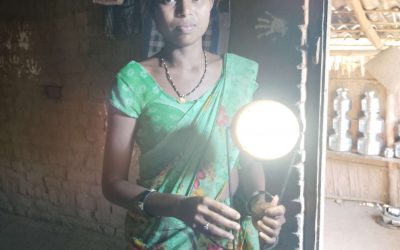
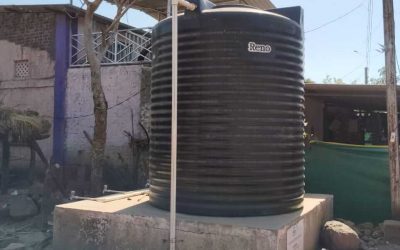
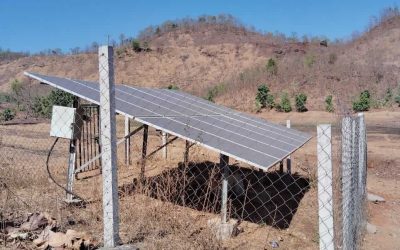
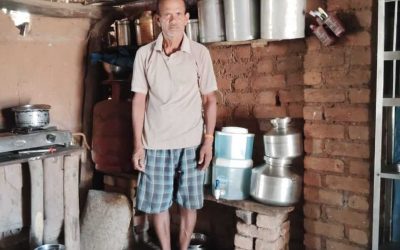
To address the challenges in Kambare Village, an integrated approach has been implemented, providing solar-powered solutions to alleviate electricity and water issues while improving community infrastructure. Eighty homes have received solar homelight solutions with tripod lights and solar lamps, ensuring a reliable backup electricity source during load shedding. To secure water supply, a 4KW solar pumping system has been installed, granting the village consistent access to drinking water. The Anganwadi centers, which previously lacked electricity, have been equipped with 50W off-grid solar systems, enabling them to expand their services and function more effectively. Additionally, the reconstruction and renovation of the Anganwadis are ensuring these centers are structurally sound and safe for use by children and the broader community. Furthermore, 80 households have been given water filters, providing access to clean, potable water and significantly reducing the risk of waterborne diseases. These combined interventions are significantly improving living conditions, public health, and community services in Kambare Village.

Impact

The changes in Kambare Village had a profound impact on the community. Residents experienced a significant improvement in their quality of life, with enhanced access to basic amenities. The continous suppy of electricity allowed households to carry on with daily activities without frequent interruptions, promoting safety and extending productive hours into the evening. This consistency also facilitated a better learning environment for children at home and in the local educational centers, which saw increased functionality and engagement. Additionally, reliable access to clean drinking water drastically reduced health risks and improved overall public health, leading to a reduction in waterborne illnesses. With safer and more robust community facilities, the villagers gained a stronger sense of security and community cohesion. The collective effect of these changes fostered an atmosphere of progress and optimism, paving the way for further community-driven development.
Countries
Search
Expand the search area up to