Kalakrai
March 2023
Households: 350
People: 1500


Intervention
Integrated Village Development Program
Lives Impacted
0
Homes Illuminated
0
Donor
TIAA GBS India
Grassroot Partner
United Way Mumbai
Assessment
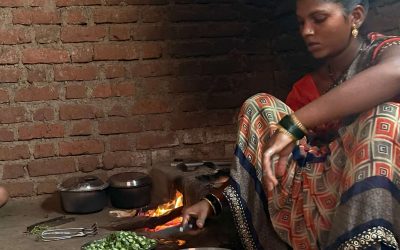
The community in Kalakrai faces several pressing challenges that significantly impact daily life and restrict economic growth. A major issue is the lack of water for irrigation, which is crucial since the community relies solely on rain for agriculture. This dependence on rain makes farming unpredictable and threatens food security. Irregular electricity supply, due to frequent power cuts and load shedding, further disrupts both household and business activities, leading to instability in daily routines. This inconsistency also affects educational facilities like anganwadis and schools, compromising the learning environment for children. Additionally, the absence of clean drinking water poses serious health risks to residents. The dark streets at night add to safety concerns, increasing the risk of accidents and crime. Collectively, these challenges create a difficult environment for the community, making it hard to foster development and ensure a stable quality of life.
Intervention
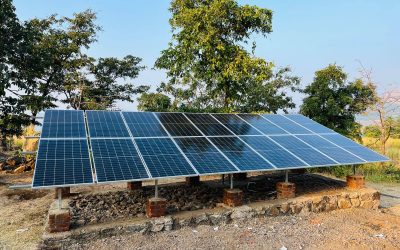
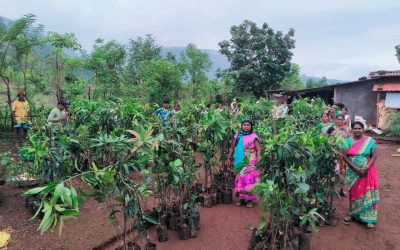
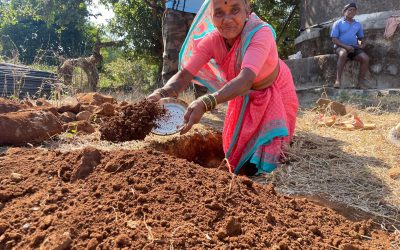
Kalakrai village has implemented several interventions to improve infrastructure and resources. A 7.5HP solar pumping system enables lift irrigation from a nearby pond, ensuring water supply for farming. To improve education, a 1KW off-grid solar system powers the school, and a 350W system serves the anganwadi. A community solar ultrafiltration unit provides clean drinking water, while streetlights enhance safety. Solar home lighting systems are installed in 52 homes for dependable power. Solar dryers support women’s livelihoods. Computers and a TV are provided for e-learning at the school and anganwadi. Finally, saplings are planted to increase green cover and potentially generate income. These interventions collectively aim to boost the quality of life, safety, and economic opportunities in Kalakrai.
Impact
Solar initiatives in Kalakrai are making a significant difference. The 7.5HP solar pumping system provides consistent irrigation, reducing carbon emissions. With solar power in the school and anganwadi, education is more stable and less reliant on traditional energy sources. The community solar ultrafiltration unit ensures clean drinking water, while streetlights improve safety at night. Solar home lighting in 52 homes reduces kerosene use, leading to cost savings and fewer emissions. Solar dryers save women time, allowing them to focus on other tasks. E-learning tools like computers in the school and a TV in the anganwadi enhance education, and saplings planted for green cover offer environmental and income benefits. Overall, these changes are creating a more sustainable, efficient, and safe Kalakrai with a reduced carbon footprint and lower fossil fuel dependency.